Rose City Veterinary Conference
Sunday, April 12th
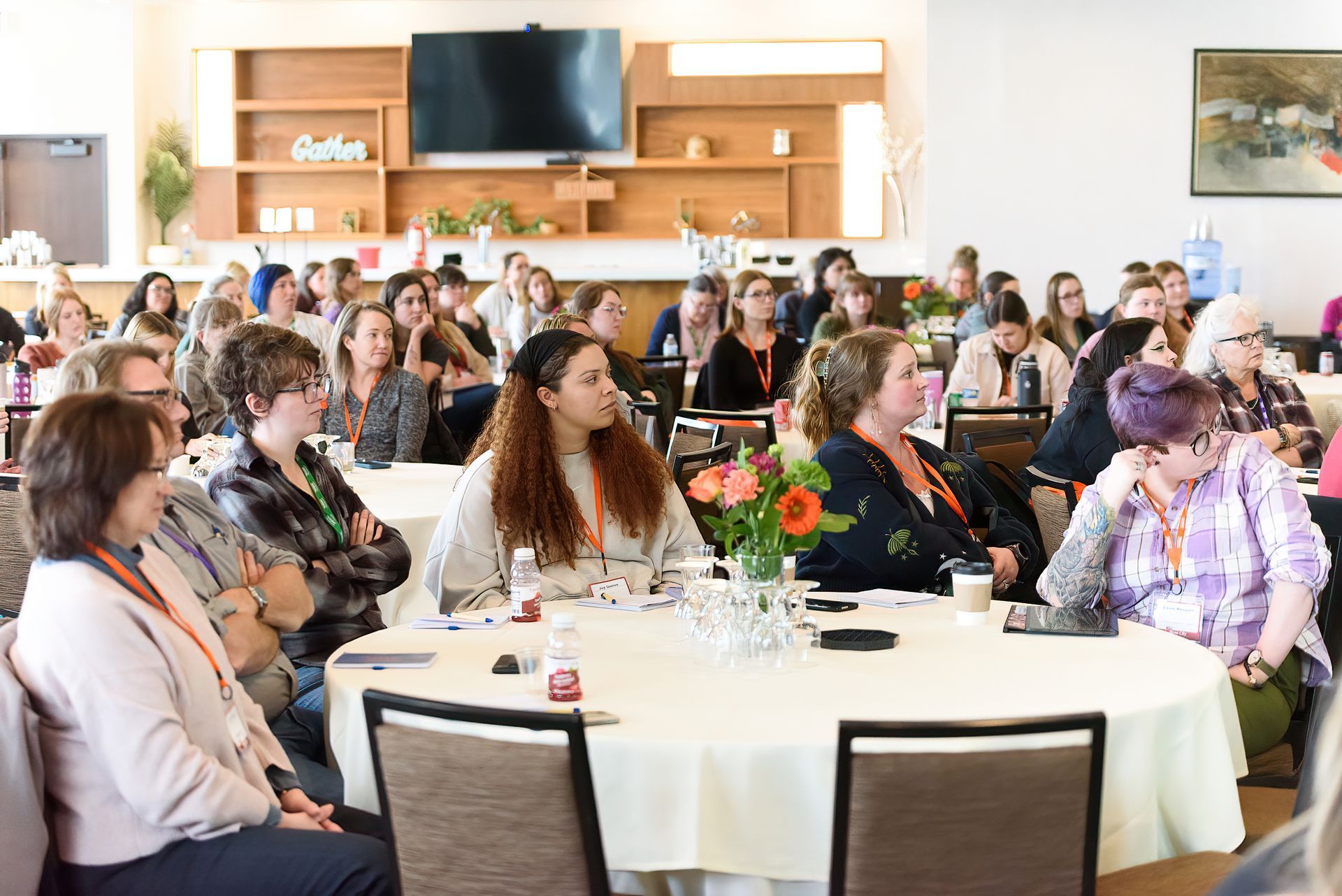
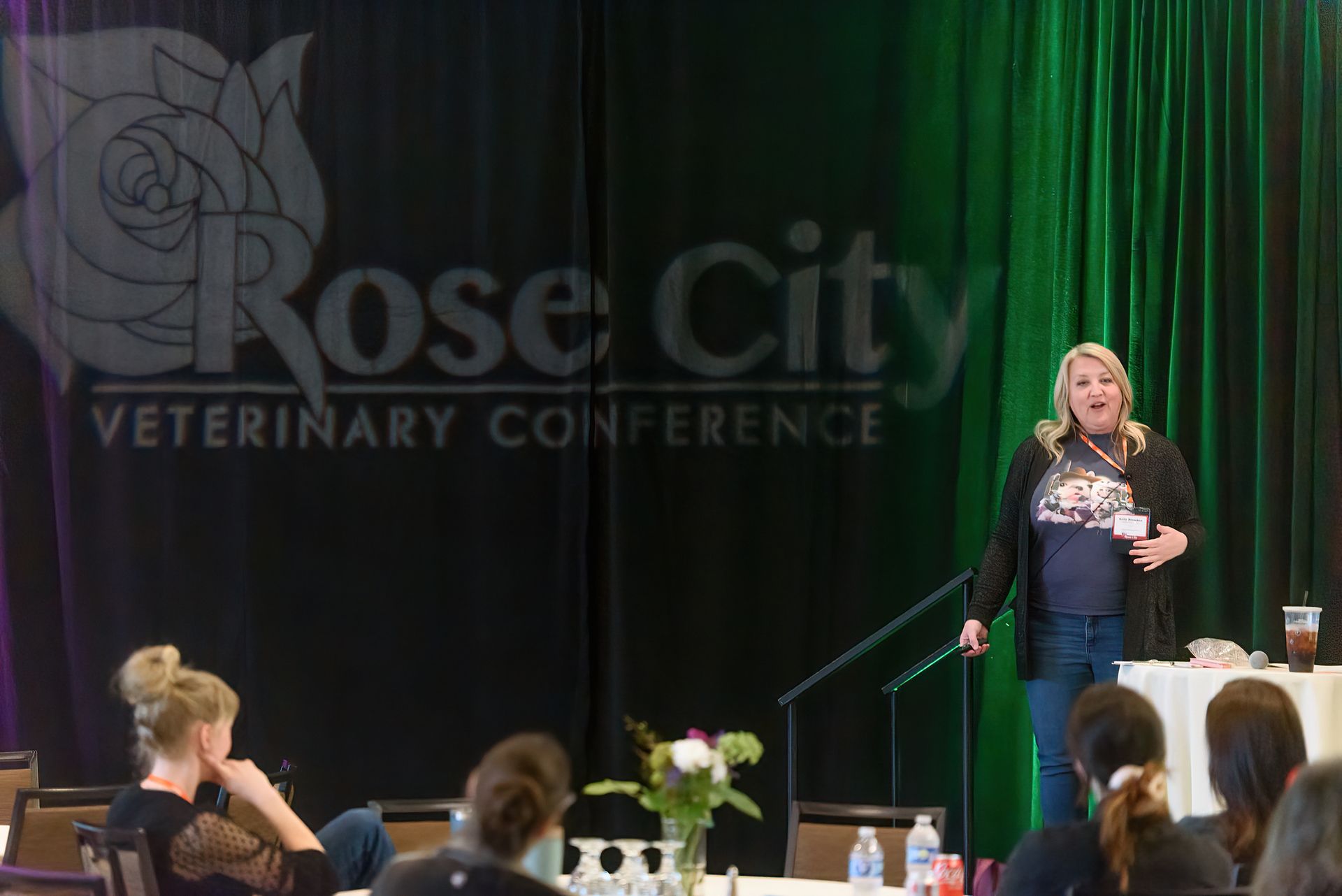
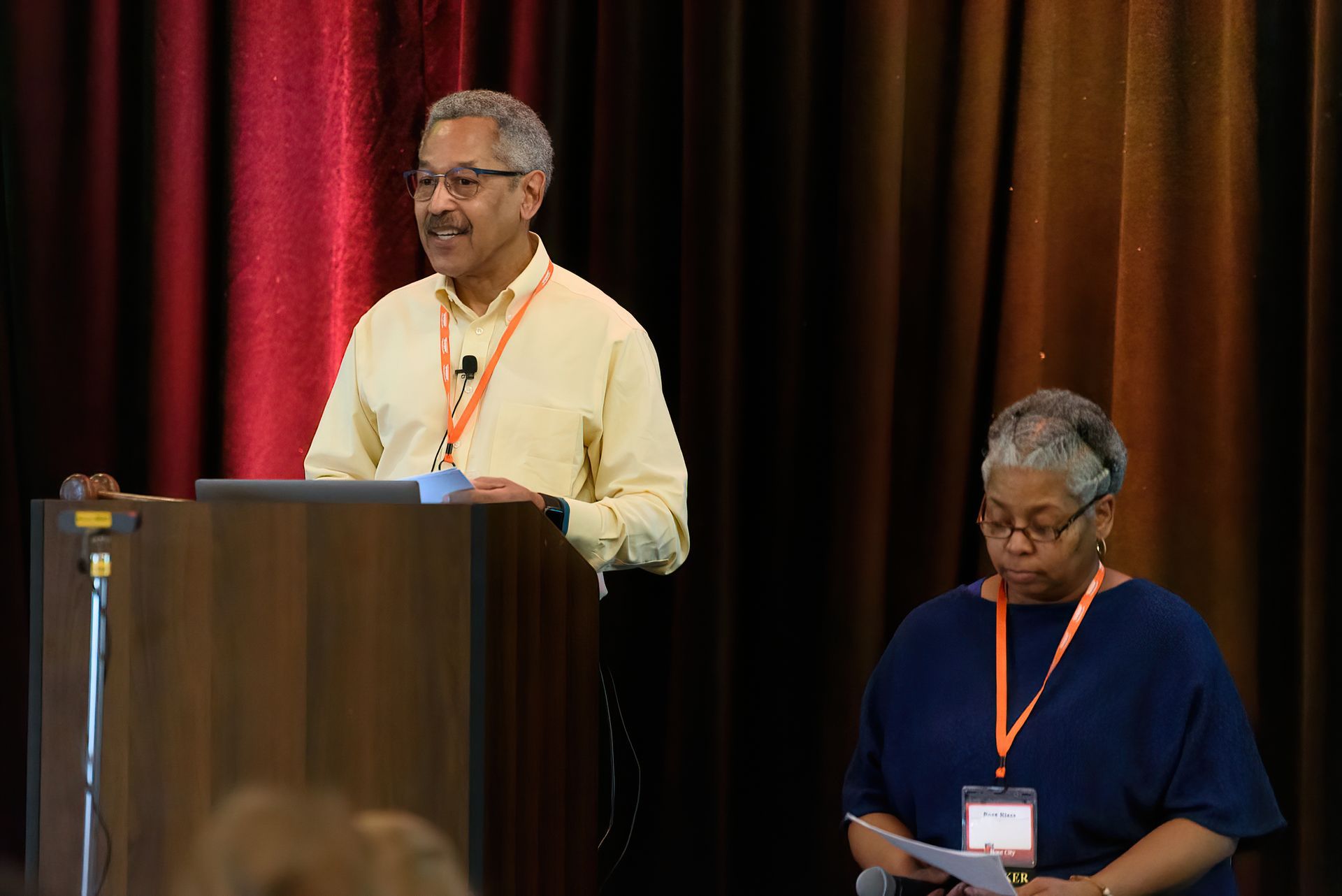
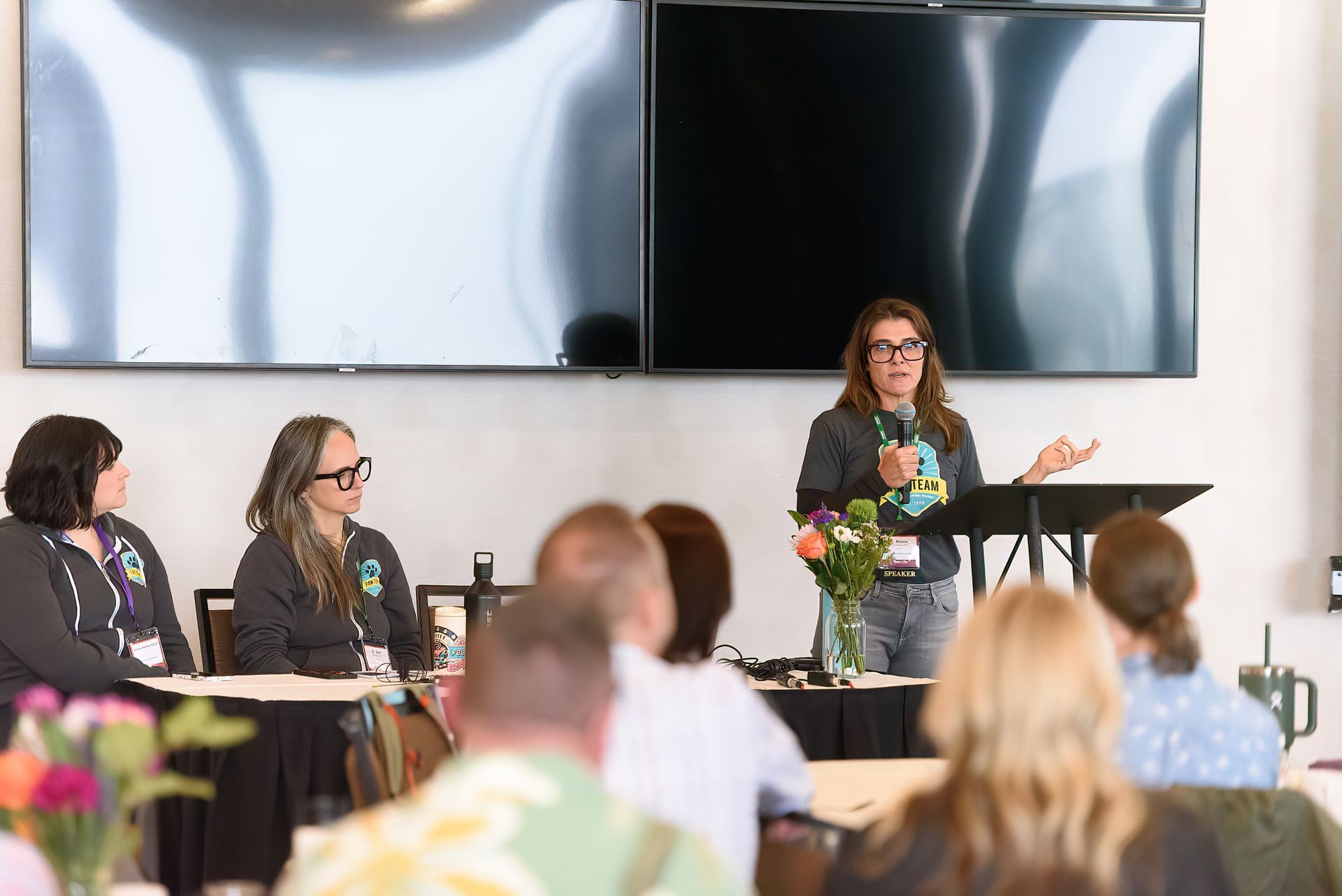
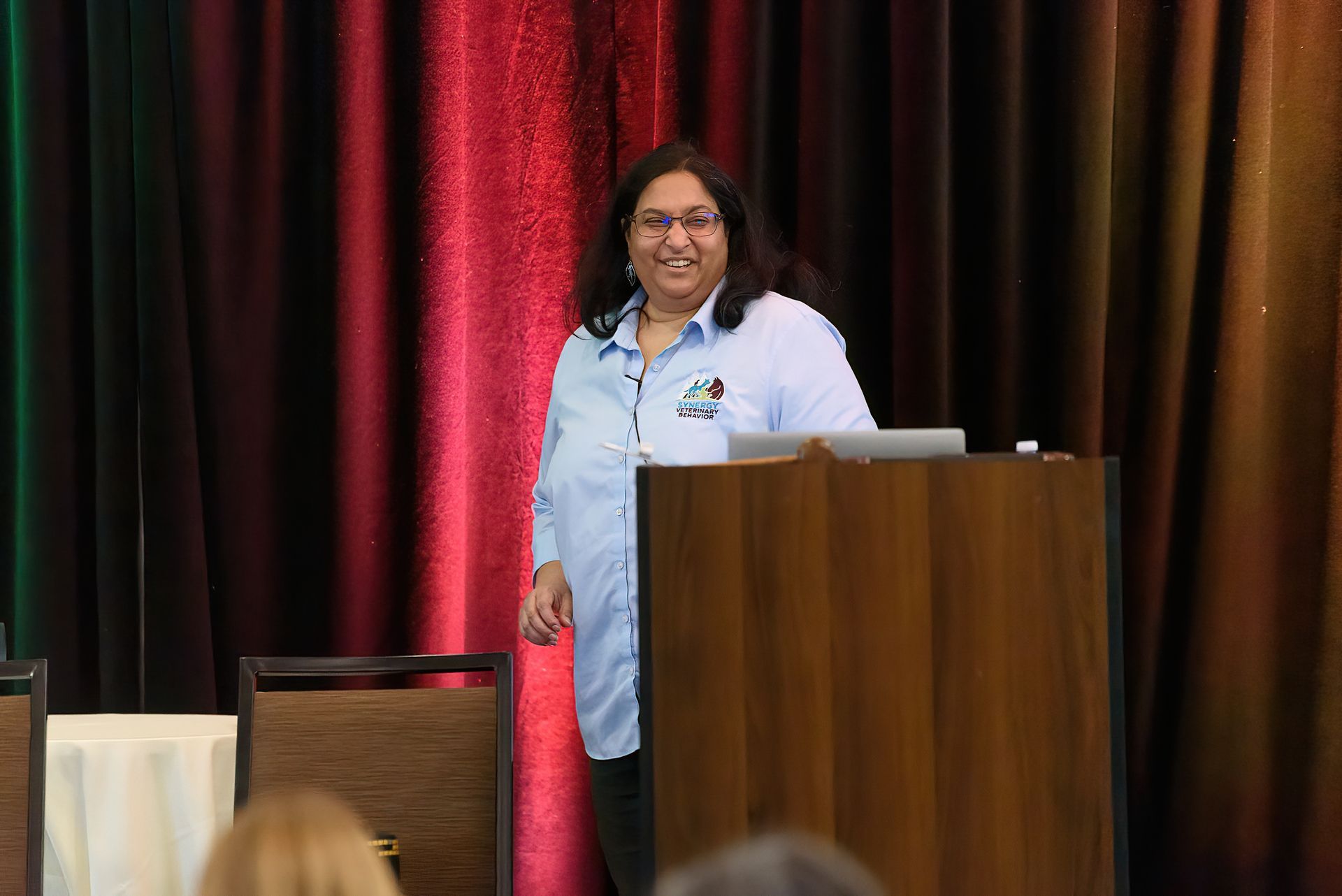
There will be six learning spaces with sessions running concurrently, throughout the day, with ample breaks to connect with others and enjoy interactive activities. Rather than 'tracks' limited to roles, we encourage veterinary professionals to attend the sessions that interest them.
We ask that all attendees and presenters help create a sense of welcome and belonging in every space. All sessions will be recorded, so please choose your own adventure for the day, knowing you will have access to the recordings for all others, shortly after the conference.
Conference Program- Sunday, April 12th
Featured Presenter Sessions | Ron Sosa CVPM, CCFP, PGD-CLD
The Gift of Conflict: Turning Disagreement into Collaboration | 8:00-10:15am
Reframing conflict as a tool for innovation and team growth.
Don’t Lose Good Talent: Neurodivergence vs. Perceived Toxicity | 10:55-11:55am
Recognizing the difference and preventing costly turnover.
The Fight Languages of Conflict | 2:00-2:50pm
Understanding different conflict styles, including neurodivergent patterns, and leading through them.
Learning Lunch Sessions | 30 minutes
Pet Parent Purchasing Habits - Combating Big Box Stores and Online Resellers | 12:15-12:45pm

Presented by Scott Tobin, Nutramax Laboratories
We will take a look at 2024 pet parent survey data to learn more about what pet products are being purchased, where they are purchased from, and what clinics can do to retain retail sales in the clinic.
Fear Fights Anesthesia | 12:30-1:00pm

Presented by Dr. Marissa Rothenbaum, Banfield Pet Hospital
This session speaks to the impact of fear and anxiety on our anesthetic patients and how pre-visit drugs and fear free handling can improve patient experience.
OVTAA Leadership- Hot Topics | 12:15-12:55pm
ASAP Coalition- Mythbusters and Mindmeld- Community Pet Overpopulation on the Rise | 12:30-1:00pm
Conversation with:
Alison Lord, DVM, Buckman Veterinary Clinic, Feral Cat Coalition of Oregon (FCCO)-Contract Veterinarian
Leah Kennon CVT, Medical Director
Feral Cat Coalition of Oregon (FCCO)
Karen Kraus , Executive Director
Feral Cat Coalition of Oregon (FCCO)
Medicine-Focused Sessions
Hands-Free Radiology | 8:00-10:15am
Tammy McCarty CVT, LVT, VTS (ECC)
she/her
Radiation safety is a critical—yet often overlooked—component of veterinary practice. Veterinary professionals are routinely exposed to ionizing radiation, and understanding how to minimize that risk is essential for long-term health and regulatory compliance.
In this interactive, hands-on workshop, we explore the real dangers associated with occupational radiation exposure and discuss how the principles of ALARA (As Low As Reasonably Achievable) can be put into practice every day. Participants will learn practical hands-free radiographic positioning techniques designed to significantly reduce—or eliminate—the need for manual restraint during imaging.
Through demonstrations and guided practice stations, you’ll gain confidence in applying hands-free methods across a variety of patients and radiographic positions. Fun, engaging interactive games will help reinforce key concepts and test your growing knowledge throughout the session.
You’ll leave with the practical skills you need to implement safer, more efficient, and more compliant radiology protocols in your practice starting tomorrow.
Feline Focused Journal Club | 8:00-9:10am
Ladan Mohammad- Zadeh DVM, DACVECC
This will be a review of a select few most current and clinically relevant scientific articles focused on feline medicine.
Don’t touch me! Reduce stress in handling: Tips for the clinic and home | 8:00-9:10am
Valli Parthasarathy PhD, DVM, DACVB
Mandi Blackwelder DVM, CCRP, CVA, VCC
Low-stress veterinary visits and cooperative care are no longer “nice extras”—they are critical tools for improving outcomes in everyday practice. By minimizing fear and distress, clinics can enhance patient and staff safety, build stronger client relationships, and deliver more effective care. Cooperative care approaches further support the human–animal bond and increase compliance with medical procedures that are traditionally stressful or difficult for clients to implement.
Don’t Panic (Yet): Emergency Triage and Stabilization when Referral isn't an option | 8:00-9:10am
Lauren Bracchi DVM, DACVECC
she/her
In general practice, veterinarians are often the first—and sometimes the only—line of defense when critically ill patients present and referral is declined or unavailable. This talk will equip practitioners with practical, real-world stabilization strategies for common emergent scenarios, from dyspneic pets and shocky trauma patients to status epilepticus, toxin exposures, and hit-by-car injuries. We’ll review how to rapidly assess and stabilize respiratory distress without stressing the patient, initiate effective fluid therapy and set resuscitation endpoints, manage pain in unstable patients safely, and control seizures prior to transfer. We’ll also discuss decontamination approaches when referral is delayed, and outline essential crash cart contents to ensure your team is prepared. Designed for general practitioners, this session emphasizes efficient, evidence-based interventions that can be performed with limited resources—helping save lives when specialty care isn’t an option or prior to referral.
The Inflammation Game: Decoding the Patterns of Feline Oral Inflammation | 9:25-10:25am
Alice Sievers DVM, DAVDC
Board Certified Veterinary Dentist
she/her/hers
Dread being faced with a cat with oral inflammation? Do you want to decode what the inflamed feline oral cavity is trying to tell you? Let's talk about the types of diseases that present with an inflammatory appearance in the oral cavity, how to develop diagnostic plans for these patients based on clinical presentation, formulate treatment strategies, and assist your patients back towards a life of comfort.
Diagnosis and Management of Severe Pancreatitis | 9:25-10:25am
Casey Sleznikow DVM, DACVIM
Megan Seekins DVM, DACVECC
Ryanne Heiny CVT, VTS (SAIM)
This would be a dual talk with Casey Sleznikow (IM), Megan Seekins (Critical care), and Ryanne Heiny discussing the diagnosis and management of severe pancreatitis including treatment options at a primary care facility vs specialty facility and when to refer.
10 Ways Cats Are Not Small Dogs on Ultrasound | 10:55-11:55am
Jennifer Barbineaux DVM, DABVP-Feline
This course will review 10 unique feline diseases or anatomic variations that rarely occur in dogs and their ultrasound appearance, including hepatic lipidosis, biliary cystadenoma, bilobed gallbladder, honeycomb spleen, feline gastrointestinal eosinophilic sclerosing fibroplasia, peri-nephric pseudocyst, big kidney little kidney syndrome, polycystic kidney disease, lipiduria, and pseudomembranous cystitis.
You Can’t Unsee This: The Warning Signs We Overlook | 10:45am-12:15pm
Christopher Pachel, DVM, DACVB, CABC (IAABC)
he/him
In this session, we’ll explore the warning signs we often overlook in everyday settings: a walk through the neighborhood, play at the dog park, interactions at the veterinary clinic, or even casual encounters at the pet supply store. Using real-life scenarios and visual examples, we’ll unpack how body language, miscommunication, and mistaken assumptions about motivation can escalate to conflict. You’ll walk away with practical strategies to sharpen your observation skills, refine your interpretation of canine communication, and intervene early. Because once you learn to see these moments, you can’t unsee them—and that’s the key to safer, kinder, and more effective behavior support.
Technician Case Report Presentation | 10:45am-12:15pm
The OVTAA Technician Case Report Session at RCVC is designed to highlight the vital role of veterinary technicians through case-based learning, while intentionally supporting novice speakers and helping them gain conference-level experience. This session emphasizes technician-led nursing care, clinical reasoning, and professional growth in a supportive and encouraging environment.
For more information, and to submit a proposal: https://forms.office.com/r/en6qKjfS7Y
Antimicrobial Utilization in Veterinary Dentistry | 1:00-1:50pm
Carl Winch DVM
he/him
Insights from a Comprehensive Analysis of Primary Care Dental Procedures in Dogs and Cats.
This lecture will provide a comprehensive overview of antimicrobial utilization in dental procedures for dogs and cats in a network of primary care veterinary clinics across the United States. We will delve into the retrospective analysis of a substantial dataset, encompassing over 800,000 dental procedures performed under general anesthesia in 2020 across more than one thousand veterinary clinics. The presentation will explore the prevalence, patterns, and potential factors associated with antimicrobial administration. Additionally, the lecture will shed light on the specific antimicrobial agents most commonly used in canine and feline dental care. Furthermore, the impact of co-morbid conditions (hepatic and renal disease, cardiac murmurs, and others) on antimicrobial usage will be discussed. The lecture aims to underscore the implications of systemic antimicrobial administration in professional dental cleanings with or without extractions, with a detailed examination of the most frequently prescribed agents and the influence of co-morbidities on treatment decisions.
In summary, the presentation will provide a nuanced understanding of antimicrobial practices in veterinary dental procedures performed in primary care practice, offering insights into optimizing patient care, promoting prudent antimicrobial use, and identifying areas for further research and collaboration within the veterinary community. This work also underscores the urgent need for evidence-based professional guidelines around antimicrobial usage in oral health procedures.
Case share of a variety of interesting (and challenging) neurologic cases | 1:15-2:00pm
Dan Krull DVM, DACVIM-Neurology
Catch Me If You Can: Case Based Management of Cardiac Arrhythmias Under Anesthesia | 1:15-2:00pm
Michael Lovasz DVM, MS, DACVAA
While having an excellent patient history and performing a physical evaluation provides vital information before anesthesia, veterinary patients often have unidentified underlying comorbidities or circumstances that can cause or perpetuate cardiac arrhythmias.
Please join me in evaluating different cardiac arrythmias that occurred in patients while under anesthesia. The decision to initiate treatment combines an understanding in what is the likely cause for the arrhythmia, the treatment options available, planning for the immediate and long-term goals in treatment, and alternative treatment plans for those patients that are refractory to intervention or resistant entirely.
I will be utilizing the case-based approach as we assess the arrhythmia, discuss the effects the arrhythmia has on cardiac output, formulate a treatment plan, and the response to treatment with each case.
Case Based Examples of GOOD History taking: How taking a good history can make or break a case | 2:00-2:50pm
Ryanne Heiny CVT, VTS (SAIM)
she/her
In this nteractive session, we will be working through the case presentation and history taking process, where small details obtained can change the differential diagnosis significantly. (Grass-awns from years past, fun infectious disease from long-ago travel history, fungal potentially). AI involvement in gathering history.
Claw-Trol your Kitty’s Undesirable Behavior | 2:00-2:50pm
Kat Pankratz DVM, DACVB
This lecture focuses on understanding and addressing common cat destructive behaviors, such as scratching, jumping on surfaces, fear of travel, and play aggression. We will explore the underlying causes of these behaviors, their impact on both the cat and the owner, and effective strategies for prevention and management.
What to do When Surgery Isn't an Option: Eyelid and Cornea | 2:00-2:50pm
Rosalie Alls DVM, DACVO
Discussion and case presentation on diseases of the cornea and eyelid with emphasis on non surgical treatment.
Hormones, Hormones Everywhere: Anesthesia for Patients with Endocrine Disease | 3:15-4:05pm
Nicole Shuey BS, LVT, CVT, VTS (Anesthesia & Analgesia)
This intermediate lecture reviews the pathophysiology of common endocrine disorders encountered during anesthesia. It presents a case-based approach to perioperative management, addressing considerations for patients with hyperadrenocorticism, hypoadrenocorticism, diabetes, insulinomas, parathyroid disease, and thyroid disease. The session emphasizes protocol development and management strategies throughout the entire perioperative period.
If I tell you … I’ll have to kill you: tricks, tips and ideas for common reproductive procedures | 3:15-4:05pm
Roberto Novo DVM, MS, DACVS
he/him
This lecture will present techniques to help differentiate and solve common problems encountered during routine reproductive surgical procedures, specifically during spays and neuters. Specific techniques for improved visualization, handling common complications, and addressing anatomic abnormalities will be discussed. These techniques can be applied to other abdominal procedures.
Uncommon Cardiac Medications in Common Cardiac Diseases | 3:15-4:05pm
Gabrielle Wallace DVM, DACVIM-Cardiology
A review of traditional cardiac medications and new cardiac medications such as torsemide and felycin. The lecture will discuss medications' pros and cons and when/how we use these novel therapies.
JAK Inhibitors- What has changed in Dermatology? | 3:15-4:05pm
Sonja Zabel
Board Certified Veterinary Dermatologist
she/her
This is a clinically relevant, practice-based lecture, looking at what we have learned from Apqouel since it first came on the market, how Zenrelia is different (if applicable, also Numelvi). This lecture is supposed to help colleagues discuss side effects, warning labels, differences, and make. decision on when to use what product, and if the lecture time permits, ask all questions, raise concerns, and have a meaningful, outcome-based discussion.
Tiny Teeth, Big Trouble: Pediatric Pearls for Puppy & Kitten Mouths | 4:10-5:00pm
Ginger Grellman DVM
What’s normal, what’s not, and what to do when they don’t grow out of it
Pediatric dental cases are often underestimated—but early intervention can make all the difference. In this informative and engaging session, we’ll dive into the unique challenges of juvenile oral health in puppies and kittens, with a focus on recognizing abnormal development, addressing retained deciduous teeth, and managing occlusal issues before they cause lasting harm.
You’ll learn what’s expected in normal dental eruption and development—and how to spot the red flags early. We’ll cover when to monitor, when to intervene, and how to communicate the value of early treatment to pet owners who may be reluctant to address dental issues in young animals.
Whether you’re in general practice or specialty referral, this course will sharpen your clinical judgment and give you practical tools to manage those tiny—but potentially troublesome—teeth.
Key Takeaways:
· Understand normal timelines for tooth eruption and occlusal development
· Recognize common pediatric dental problems and their long-term impact
· Learn how and when to treat retained deciduous teeth, crowding, and malocclusions
· Improve client education around the importance of early dental care
When Good Anesthesia Goes Bad | 4:10-5:00pm
Nicole Shuey BS, CVT, LVT, VTS- Anesthesia & Analgesia
This lecture is a case-based, choose-your-own-adventure style discussion that takes practical case scenarios and discusses potential outcomes based on the choices of the audience. We will start with protocol development based on the patient's vitals and coexisting disease, and we will move into making treatment or case management decisions based on what is happening on our monitors. An example would be a patient under prolonged anesthesia with a slight palpebral and moderate jaw tone experiencing moderate hypotension. Once the audience selects a treatment, there will be an example of what might happen, and we will continue making decisions for the case until they are stable or recovered. There may be more than one right or wrong answer, just like in real anesthesia scenarios! Come ready to participate and learn how to play an active role in the care of your patients during the perianesthetic period.
Nutritional Triage: Prioritizing Diet Goals in Pets with Comorbidities | 4:10-5:00pm
Taryn Pestalozzi DVM
Residency-Trained in Small Animal Clinical Nutrition
she/her/hers
This lecture will review nutritional strategies for common chronic conditions and suggest a methodology for selecting commercial diets for patients with multiple comorbid conditions. Guidance will also be provided on when to refer cases to a veterinary nutritionist.
Change Sessions- Access to Care | Equity, Diversity & Inclusion
Don’t Take Our Word For It: Trusting Underserved Communities to Tell Us What They Need (and believing them) | 10:55-11:55am
Melody Martínez CVT she/ella
Nicole Perkins
This presentation will highlight some invaluable lessons learned from PAW Team’s community based engagement in our first year of work with PetSmart Charities’ Incubator Grant. The goal of this grant is to improve access to veterinary care within diverse communities by addressing the barriers these families face beyond the financial. The best place to start is by listening to the experts, the community members themselves. In building programs to support and engage our most systemically neglected neighbors we must trust the knowledge their lived experience brings and work together to empower pet owners as participants rather than recipients.
Expanding Access to Specialty Care in PDX: It Takes a Village | 1:15-2:00pm
Ross Luetchke DVM, PhD, DACVIM
he/they
In this co-learning workshop, we will review key concepts related to social determinants of health (SDOH), and explore how they may be applied to identify and prioritize the dismantling of key barriers to veterinary specialty care in the Portland metropolitan and surrounding communities. Topics include an introduction to SDOH and brief overview of recent research approaches to SDOH in veterinary medicine, including sources of publicly available data. We will then explore immediate opportunities for growth in access to care research and practice, and potential next steps to begin individually and collectively bridging some of these gaps in the Portland area. Participants from primary care and specialty settings will be invited to share examples of barriers to specialty referrals from their own experience as clinicians and pet owners, list personal skills and resources that can empower their advocacy, brainstorm potential collaborators in the community for joint efforts in further exploring these questions, and identify one action they can take to start exploring potential new collaborations and/or solutions rooted in community support.
The Story Behind the Story: Rewriting Our Client Narrative | 2:00-2:50pm
Kelly Bremken MSSW, CSWA, VSW
she/her
People are at the heart of our work, and their stories give us insight into both their needs and their pets’. Yet the demands of veterinary practice can leave us pressed for time and, at times, conditioned to expect the worst. This session invites us to consider how approaching clients with curiosity and compassion—rather than judgment—can strengthen trust, improve outcomes for pets and people, and enhance the well-being of staff. Together, we’ll explore practical ways to reframe client narratives and rewrite the stories we tell about those we serve.
Growth Sessions- Culture | Management
Basics of Employment Law from Employer and Employee side | 9:25-10:25am
Joe Carlisle JD
Lauren Russell JD
Moderated by Gabe Sasse CVPM
Just Say It! How to give and receive feedback that creates change | 10:45am-12:15pm
Kelly Cooper DVM
Do you avoid giving constructive feedback because it feels like conflict, or you worry about hurting someone’s feelings? How about seeking feedback for yourself? Is it something you relish or avoid? While it sometimes feels uncomfortable, feedback truly is a gift. Without it, how else would anyone improve their performance? In this session, you’ll learn the skills of giving and receiving effective feedback in a non-threatening and positive way that will not only build your skills but those of your entire team.
Objectives:
• Understand the value of giving feedback to others and seeking it for yourself.
• Learn the skills and scripts for delivering effective feedback to others.
• Learn how to obtain specific constructive feedback from others to build your skills.
• Apply the skills of giving and receiving feedback with a specific situation.
Regulation, Public Protection, and the Veterinary Profession | 1:00-1:50pm
Peter J. Burns, MS. Ed.
Dr. Max Rinaldi
Dr. Ragan Borzcik
This session provides an overview of the Oregon Veterinary Medical Examining Board (OVMEB) and its role in protecting the public while supporting the veterinary profession. Attendees will gain insight into the Board’s statutory responsibilities, licensing and renewal processes, continuing education oversight, complaint intake and investigations, and common issues that arise in regulatory practice. The presentation will also highlight trends, challenges, and opportunities for collaboration between the Board and veterinary professionals, with an emphasis on transparency, education, and shared responsibilities and partnership.
The Confidence Barrier: Why the Leap Into Exotics Feels Hard | 1:00-1:50pm
Heather Brittingham, MA, BA, CVT, VTS (Zoo)
she/her
Many of us have heard someone say, “I would love to work in exotics, wildlife, or zoo medicine,” yet many technicians and veterinary professionals stay away from these fields. We will explore the knowledge gaps that exist between school and the workplace and how the transition can feel different depending on your field, career path, and resources. Does the desire for a challenge motivate you, or does a lack of confidence make it hard to take the leap?
Talking About Death – How education and conversation can create a supportive environment for pet owners and veterinary teams | 3:15-4:05pm
Sara Nunn BFA, Certified Pet Alkaline Hydrolysis Operator
she/her
Providing euthanasia and aftercare at a busy general practice can feel like running an obstacle course – the lobby is full, a hospitalized case in ICU needs diagnostics, the team are swooning over kittens in an exam room, and a longtime client just walked in sobbing while cradling the body of their beloved dog that passed away overnight.
In this reality, how do you support clients on one of the worst days of their life? We’ll discuss how prioritizing end-of-life care can be part of your practice culture. In a world that fears and avoids this inevitable part of life, talking about the experience of grief and loss can teach every staff member how to connect and create an effective practice support network. Comfort rooms and candles in the lobby are important, but learning to work as a team to prepare for and process these experiences helps reduce burnout and strengthen our client and team bonds.
Oregon Animal Cruelty Laws, Prosecutions, and Mandatory Reporting: What Veterinarians Should Know | 4:10-5:00pm
Jake Kamins
Senior Assistant Attorney General
Animal Cruelty Resource Procecutor
When prosecuting animal cruelty, a competent veterinary witness can mean the difference between a conviction and acquittal. Generally, prosecutors cannot prove animal cruelty beyond a reasonable doubt without a veterinarian who had an opportunity to view the evidence at or near the time of the incident. Further, in Oregon veterinarians are mandatory reporters of Aggravated Animal Abuse, and permissive reporters of other kinds of animal cruelty.
Despite all this, and despite our state having the best animal protection laws in the nation, most Oregon veterinarians are not trained in the basics of animal cruelty laws, investigative tactics, and court procedures.
Thrive Sessions- Well-being
Navigating Difficult Communication and Moral Distress: A Case Based Discussion | 8:00-10:15am
Stacy Montgomerie DVM, CHPV
she/her
Debrah Lee LCSW
she/her
In this workshop, we’ll provide a framework for compassionate client communication interwoven with intrapersonal skills and tools to support well-being in the context of moral distress. Workshop participants will have an opportunity to work together to practice communication skills using case examples, which will be provided and can also be drawn from participant experiences.
Owning Our Oops: Understanding and Managing Medical Errors in Veterinary Medicine | 2:00-2:50pm
Lauren Bracchi DVM, DACVECC
Megan Seekins DVM, DACVECC
Beth Woodson CVT, LVT, VTS (ECC)
Medical errors are an inevitable part of veterinary medicine, yet they remain one of the most challenging aspects of clinical practice to address. This session will explore how medical errors occur, including common contributing factors such as system flaws, communication gaps, and cognitive overload. We’ll discuss strategies for building hospital structures that minimize risk and support staff when errors happen, as well as compassionate, transparent approaches for communicating with pet owners. The first 30 minutes will focus on practical frameworks for error prevention, disclosure, and recovery, while the final 15–30 minutes will be an interactive discussion of real-world case scenarios. Audience members will be invited to participate in analyzing how errors occurred and how they might be addressed, fostering open dialogue and a culture of learning rather than blame.
The Culture Cure: Building Trust, Psychological Safety, and a Workplace that Retains Talent | 3:15-4:05pm
Sonja Olson DVM, C-MMT
she/her
A healthy culture doesn’t happen by accident—it is intentionally built through emotionally intelligent leadership and a deep understanding of psychological safety. In this session, Dr. Olson explores how to cultivate a “culture of care” that promotes trust, transparency, and retention. Participants will examine how benefits, communication styles, and leadership behavior directly influence morale, loyalty, and burnout. Through practical frameworks and real-world examples, attendees will learn how to create veterinary environments where people feel safe, heard, and supported.
Key takeaways:
• Define and apply the principles of psychological safety in veterinary settings
• Explore the relationship between trust, communication, and retention
• Learn how to realign values, benefits, and leadership behaviors to support team wellbeing
Perfectionism, Shame & Other Wild Animals: Handling the Hard Stuff with Self-Compassion | 4:10-5:00pm
Kelly Bremken MSSW, CSWA, VSW
she/her
Work in veterinary medicine is challenging. While the demands of the job are high, the way the public speaks about our work can add an extra layer of stress—making the way we speak to ourselves even more critical. In this workshop, we’ll explore how perfectionism, shame and guilt influence our inner critic, impact burnout and shape our capacity for resiliency. We’ll take an honest look at the role of the perfectionism and discuss how self-compassion can become a powerful antidote. While we may not be able to eliminate these internal pressures, we can build greater capacity for self-kindness, increase compassion satisfaction and remember just why we love this work! Attendees will leave with practical strategies to tame that perfectionism into constructive self-reflection and strengthen both personal and team well-being.
Fat shaming in Vet Med, is it Weighing us Down? | 4:10-5:00pm
Kat Bennett LVT, VTS (SAIM)
she/they
This will be an interactive session discussing the effect that fat-shaming our patients has on ourselves and our coworkers.
Pre-Recorded Sessions
Recordings will be made available to registrants prior to the conference as part of the full package!
Evidence based medical/conservative management of canine osteoarthritis: A surgeon's perspective
Presented by Jose Carvajal DVM, MS, DACVS, ACVS Fellow
We will explore what we know (based on the available evidence) about medical/conservative management strategies for canine osteoarthritis. We will cover non-surgical intervention (old and new), pharmacological treatments, and emerging therapies (how to navigate the new age of user generated advertisement) while discussing how these approaches integrate with, or delay the need for surgical intervention.
Bite-size Behavior
Presented by Nicole Froelich DVM
Not all clients who could benefit from a full vet behavior consult will have the means to seek one out. There is still quite a bit that primary vets can do to help these clients and their pets! This presentation will provide an overview of how to meet these clients where they're at and will provide a spectrum of care approach to veterinary behavior.
The Future of Veterinary Medicine Is Biologics: What Every Veterinarian Should Know
Presented by Rachael Wolters DVM, PhD
Biologic therapies, including monoclonal antibodies and gene-encoded therapeutics, represent one of the fastest-growing areas of medicine. This lecture will provide an accessible overview of biologics, how they differ from traditional drugs, and how they are already transforming veterinary care. Attendees will gain insight into current clinical applications, emerging therapies, and how these advances will impact everyday veterinary practice.
The Art of Induction
Presented by Justin Goodrich BA, LVT
Presentation will cover induction prep, drugs, difficult intubations, & rapid sequence inductions.
Feline Vaccine Recommendations and Guidelines
Presented by Becky Smith CVT, VTS (Clinical Practice-Canine/Feline)
This presentation will include a review of Core and NonCore vaccines as recommended by the FelineVMA and AAHA as well as site-specific vaccine protocol, FISS and the 3-2-1 protocol related to FISS.
Periodontal treatment in Primary Care
Presented by Rebecca Martin DVM, DACVDC
An overview of the causes and clinical identification of periodontal disease followed by diagnostics for staging. Discussion of case selection for treatment planning and review of appropriate treatments that can be completed in the primary care setting.